







Search Results for: Kansas City Chiefs
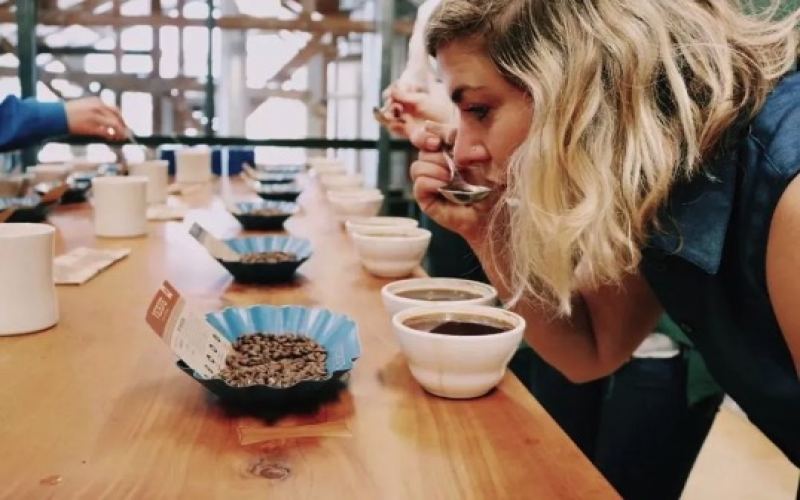
The scoring criteria for coffee cupping. SCA How to evaluate a cup of coffee.
The scoring criteria for coffee cupping. The cupping of coffee beans was initially to ensure whether the quality of the coffee beans that are about to enter the trade is qualified. With the passage of time, after the concept of specialty coffee was b [more…]
Kona coffee is produced on the volcanic slopes of the Kona region on the island of Hawaii, and is hailed as one of the most beautiful-looking coffee beans in the world. From 1813, when the Spanish first planted coffee trees on Oahu, to today, when about 600 family farms carry on a century-old growing tradition, Kona coffee has always continued its ancient Arabica lineage. Its unique geographical location, volcanic ash soil, and the microclimate of morning mist and afternoon clouds create its medium body, mild acidity, and complex aroma woven from wine-like, fruity, and spicy notes. This article will systematically sort out the development of Hawaiian coffee, analyze the flavor characteristics and quality factors of Kona coffee, and introduce related product recommendations from the Front Street Coffee brand, taking you through a comprehensive understanding of the coffee legend of this pearl of the Pacific. [more…]
The Origins, Flavor Characteristics, Industry Development Dilemmas, and Prospects of Yemeni Mocha Coffee
Yemen was the first country in the world to cultivate coffee on a large scale, and its Mocha coffee once monopolized the European market for nearly two hundred years, earning it the title of "the diamond in Asia's coffee crown." However, in recent years, Yemen's coffee production has continued to decline, quality standards are lacking, the export structure is monolithic, and the industry faces numerous difficulties in its development. This article will take you back through the historical origins of Mocha coffee, analyze the natural and cultural factors behind its unique flavor, and review the current state and future prospects of Yemen's coffee industry. For coffee lovers, understanding Yemeni Mocha is an indispensable lesson in comprehending the world of coffee. Front Street Coffee will also recommend Yemeni Mocha products worth tasting. [more…]
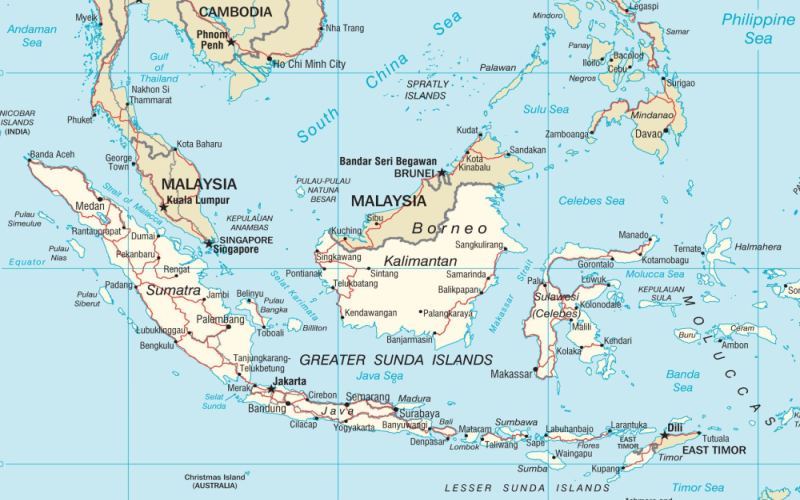
An Indonesian Coffee Tasting Journey: A Full Guide to Mandheling Favorites and the Flavors of Five Major Regions
Indonesia is made up of more than seventeen thousand islands, stretches across the equator, and is an important Arabica coffee-producing origin. This article begins with the origin of the name Mandheling and the layout of its producing regions, then goes through the terroir and flavors of five major producing regions—Sumatra Mandheling, Java, Toraja, Papua, and Flores—one by one, and explains in detail specialty beans such as Mandheling G1, PWN Golden Mandheling, peaberry, longberry, aged Mandheling, wild kopi luwak, and the treasured beans. At the end, it includes a highly cost-effective recommendation for Front Street Coffee's West Java honey-processed beans. Friends who like Indonesian beans may want to read it carefully. [more…]
High-Resolution Coffee Flavor Wheel Reference Chart Download | How Can Coffee Beginners Understand the Coffee Flavor Wheel? How to Taste and Describe Single-Origin Coffee Flavors?
A large part of the reason the coffee flavor wheel was created was to meet the tasting standards that emerged after coffee became more specialty-oriented. It also drew on wine tasting and cupping, gradually evolving from vague, general flavor descriptions into a detailed, logical flavor wheel. The first version of the coffee flavor wheel was released in 1995, [more…]

The Two-Generation Evolution of the Coffee Flavor Wheel: A Comparative Interpretation of the SCAA Specialty Coffee Flavor Maps from 1995 to 2016
The Coffee Taster's Flavor Wheel is an important tool for every coffee enthusiast and professional to understand coffee flavors. From the first edition of the flavor wheel published by the SCAA in 1995 to the comprehensively revamped new flavor wheel in 2016, the two generations differ significantly in structure, classification logic, and sensory description. This article will compare the design concepts and methods of use of the old and new flavor wheels from a professional perspective, analyze the background and significance of the birth of both versions, and help you cup and taste coffee more accurately. When you come to Front Street Coffee, you can see physical displays of both versions of the flavor wheel in the shop, and follow this article to gain a deeper understanding of the evolution of the Coffee Taster's Flavor Wheel. [more…]
A Comprehensive Analysis of the Evolution of the SCAA Coffee Flavor Wheel: From the Authoritative Version to Localized and Consumer-Friendly Simplified Versions
The Coffee Flavor Wheel is an important tool in specialty coffee learning. From the first version published by the SCAA in 1995, to the updated version in 2016, to localized adaptations in Taiwan, Indonesia, and elsewhere, as well as simplified versions aimed at consumers, the flavor wheel has continually evolved. This article reviews the characteristics and limitations of each version, explores how to use the flavor wheel to taste and describe coffee more accurately, and examines how cultural differences influence flavor perception. [more…]
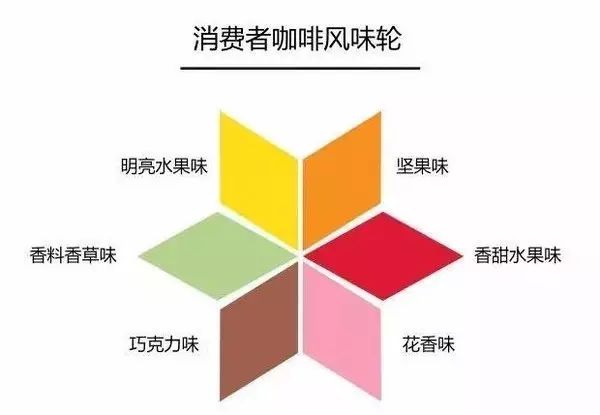
Origins of the Coffee Flavor Wheel | What's the difference between the old and new coffee flavor wheels? What are the limitations of the SCAA Coffee Flavor Wheel? How do you use the flavor wheel to taste and describe coffee?
On the journey of learning about specialty coffee, I believe everyone is especially impressed by a colorful ring. It is the SCAA 2016 Coffee Flavor Wheel that has tormented you countless times. Of course, this is already a "simplified" version; the first edition of the flavor wheel in 1995 had two, one on the front. [more…]

SCA Specialty Coffee Flavor Wheel User Guide: How to Interpret It Correctly and Download High-Resolution Images
The coffee flavor wheel is an important tool for coffee enthusiasts and professionals in sensory training, but the prerequisite is that one must correctly master its method of use. The most commonly used version at present is the one released by the SCAA in 2016, and many coffee training institutions use it as sensory teaching material. Front Street uses this flavor wheel as a blueprint and introduces how to understand and digest it from four aspects: do not blindly follow the flavor wheel, seek flavor relationships from the three-ring structure, use colors for association, and observe the density details among categories. Although understanding the flavor wheel cannot make you immediately taste all flavors, it can help you systematically sort out the connections among various flavors in coffee, and then by tasting more in correspondence with the flavor wheel, gradually step into the door of coffee flavor sensory perception. [more…]

Is It Normal That You Can't Taste the Notes on the Coffee Flavor Wheel? Is Localization Necessary? Explained in One Article
Many people who are just getting into specialty coffee are often baffled by the flavors described on packaging or by baristas, and may even wonder whether they are simply not suited to drinking single-origin coffee. In fact, it is not at all unusual to be unable to taste specific flavors—the purpose of the SCA Flavor Wheel is to provide a reference range, not to require you to identify each item one by one. This article discusses the origins of the flavor wheel, the 2016 revised edition, localization attempts in Taiwan and Indonesia, and whether China needs its own local flavor wheel, helping coffee lovers set aside their anxiety and return to the simple pleasure of drinking coffee. [more…]
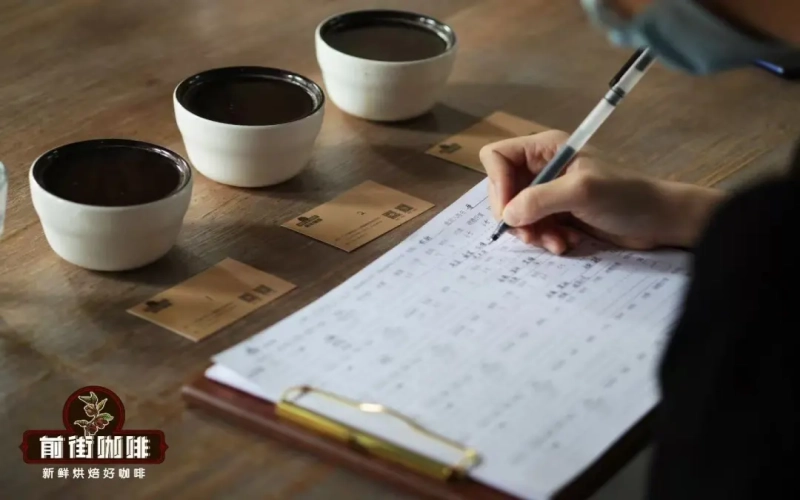
SCAA Coffee Flavor Wheel User Guide: From the Three-Ring Structure to Sensory Training, Systematically Master the Pour-Over Coffee Tasting Method
The coffee flavor wheel is an authoritative sensory tool recognized by the industry, but it cannot make you directly taste a certain flavor; rather, it is an auxiliary guide to help you organize and identify flavors. This article will use the new version of the flavor wheel released by the SCAA in 2016 as a blueprint, starting from its research background, and disassemble one by one the correspondence among the three-layer structure of the inner ring, middle ring, and outer ring. Combined with a comparative example of Front Street Yirgacheffe Gedingding and Front Street Boquete Geisha, it explains how to use the flavor wheel to gradually narrow the scope of judgment and build sensory memory. At the same time, it also reminds enthusiasts that they do not need to blindly follow the flavor wheel, because the samples it includes are limited, and real flavors such as lychee may not necessarily appear on the wheel. At the end, the article also shares the ingenious design between the flavor wheel's color scheme and flavor associations, helping you more efficiently improve your ability to identify the flavors of pour-over coffee. [more…]
A Comprehensive Interpretation of the Coffee Flavor Wheel: From Compounds to Sensory Classification, Mastering the Correct Approach to Coffee Flavor Tasting
Every cup of coffee contains thousands of aromatic compounds, and these substances interweave into a complex and fascinating flavor profile. The coffee flavor wheel, developed through research by the SCAA (Specialty Coffee Association of America) in collaboration with several universities, provides tasters with a systematic descriptive language. This article will guide you through the origins and composition of coffee flavors, explain the meanings of approximately eighty-five flavors across nine major categories on the flavor wheel, and describe how floral, fruity, nutty, cocoa, spice, and fermented flavors form during roasting and processing. At the same time, we will also introduce the flavor characteristics of specific coffees such as Front Street Yirgacheffe, Front Street Geisha, and Front Street Mandheling, helping you more accurately identify and express coffee flavors in daily life. [more…]
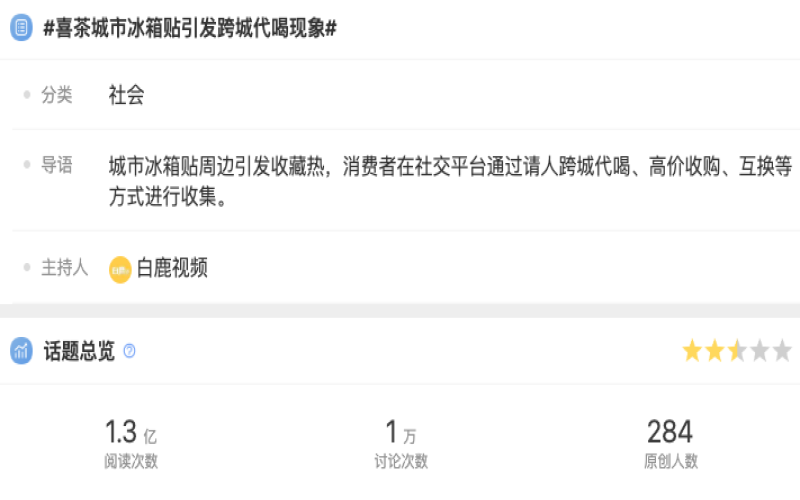
HEYTEA city fridge magnets resold at high prices, official response announces new points redemption channel
The city-exclusive fridge magnets that HEYTEA launched for new store openings quickly sparked a collecting craze, thanks to designs that incorporate local characteristics and cultural history. Because they could only be obtained at newly opened stores in the corresponding cities, social media platforms saw phenomena such as cross-city proxy purchases, swaps, and even high-priced buyouts. The free merch was resold on second-hand platforms for 40 to 100 yuan, and HEYTEA later responded that it did not endorse high-priced buyouts, and planned to launch a monthly points redemption campaign so that more consumers would have a chance to collect fridge magnets from different cities. [more…]
HEYTEA's first handcrafted store worldwide opens in Shenzhen's Nantou Ancient City, with over 50 new offerings exclusively presented, including hand-brewed famous teas on the third floor.
Heytea's first global handcrafted store officially opened on September 19 in Nantou Ancient Town, Shenzhen. This is the first store Heytea has created with the concept of "handcrafted." The store has three floors, each themed around hand-stirred ice cream, hand-muddled fruit tea, and hand-brewed famous teas, offering over 50 innovative drinks available only at this location, including hand-stirred ice cream and cocktails. The store is located at the intersection of Zhongshan East-West Street and North-South Street in the ancient town, facing the Xin'an County Magistrate's Office across the street, and the top floor also features a small garden for customers to relax. Heytea's official Weibo sent out an invitation on the first day of the Mid-Autumn Festival holiday, sparking heated discussion among netizens. As coffee enthusiasts, we might as well experience the charm of handcrafted beverages from this handcrafted store, while Front Street Coffee also continues to provide professional coffee knowledge exchange for enthusiasts. [more…]
In-Depth Analysis of Asian Coffee Producing Regions: Flavor Characteristics and Roasting Suggestions for Yunnan, Mandheling, and Other Bean Varieties
Asian coffee regions are world-renowned for their rich, deep, and steady flavor profile. From Yunnan, China to Sumatra, Indonesia, and from India to Papua New Guinea, each region has its own distinctive cup characteristics and processing methods. This article will guide you through an in-depth look at the flavor traits, suitable roast levels, and the stories behind the major Asian coffee regions. For coffee lovers who enjoy espresso blends, Asian beans are often used as a base in recipes, and Mandheling in particular is the go-to choice for dark roasting. Front Street Coffee recommends paying attention to the taste differences between Yunnan coffee and Indonesian Mandheling, as this will help you better choose coffee beans that suit your own preferences. Whether you are after a full-bodied cup or a delicate flavor, Asian regions can offer abundant choices. [more…]
A Full Analysis of the Volcanic History Behind Guatemalan Antigua Coffee and Specialty Pour-Over Parameters
The ancient city of Antigua Guatemala is a jewel among World Heritage sites, and its coffee industry is inextricably linked to the activity of the surrounding active volcanoes. This article begins with the historical origins of Front Street Coffee's Guatemala Antigua, traces the long entanglement between this ancient city and the Fuego volcano, and provides an in-depth analysis of how volcanic ash soil nurtures the world's finest Bourbon coffee. At the same time, the article will share Front Street's recommended pour-over parameters—coffee-to-water ratio, grind size, water temperature, and the three-stage extraction method—to help coffee lovers brew a full-flavored cup of Antigua coffee at home. [more…]

HEYTEA City-Exclusive Food and Tea Crossover Roundup: Localized Innovation from Coconut Chicken Hot Pot to Sichuan Spicy Fairy Dew
In recent years, Heytea has continuously pushed the boundaries of tea drinks, from cross-brand collaborations to incorporating each city's signature foods into beverages and baked goods, launching a series of unexpectedly creative limited-edition products. Shenzhen's coconut chicken hot pot, Guangzhou's rice roll cake, Changsha's mini clay pot bubble rice wine, Chengdu's Sichuan spicy fairy dew… each one precisely captures the taste memories of local people. These products are not only wildly imaginative but also build emotional resonance by awakening shared city memories. This article will comprehensively review the limited-edition items Heytea has launched in various cities and explore the communication logic and secrets behind its "neglecting its proper business." [more…]

Starbucks China reaches 6,000 stores, Shanghai surpasses 1,000 stores and debuts city-exclusive "Shanghai Coffee"
Starbucks China store count exceeds 6,000, with Shanghai becoming the world's first city to have 1,000 Starbucks stores. The 6,000th store is located at Lippo Plaza on Huaihai Road in Shanghai, positioned as a green store, and has partnered with IP SHANGHAI to launch a city-exclusive beverage called "Shanghai Coffee." At the same time, Starbucks announced its "2025 China Strategic Vision," planning to add 3,000 stores over three years, bringing the total to 9,000. In the face of competition from brands like Luckin and Manner and the trend of price downtrading, whether Starbucks can defend its market position is worth watching. [more…]
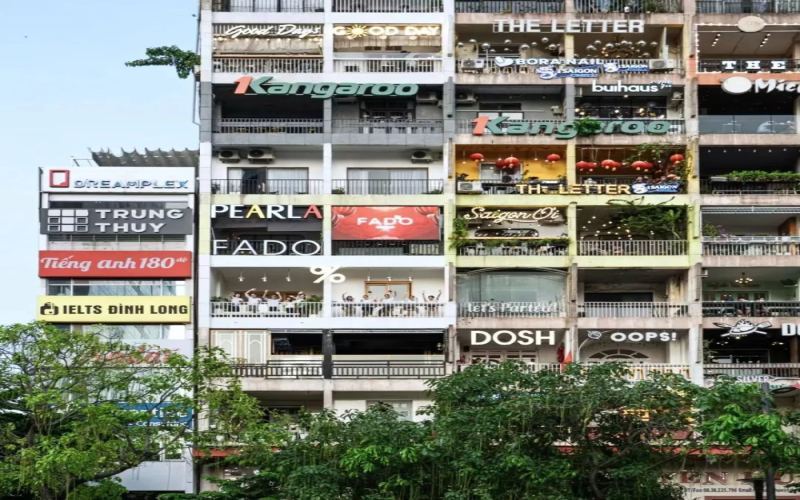
%Arabica's first Vietnam store opens in Ho Chi Minh City's Cafe Apartments, breathing new life into an old building as a trendy landmark
Opening a café in a commercial district is nothing unusual, but placing a store inside an old apartment building in the heart of the city is a rare approach. Recently, %Arabica announced that its first Vietnam branch has officially opened in Ho Chi Minh City's famous Coffee Apartment, located on the fourth floor of the building. Built in the mid-20th century, this old building once served successively as a government office, a US military station, and private residences. After renovation in 2015, it brought together numerous uniquely styled cafés and became a local artistic check-in spot. %Arabica's move both continues founder Kenneth Shoji's philosophy of "See the World Through Coffee" and marks a further acceleration of its global expansion. The brand currently has 123 stores worldwide and plans to enter multiple markets including South Korea, Singapore, and the Philippines. [more…]

Can a coffee shop be profitable in a small city? Should a barista consider a career change due to low pay? An in-depth analysis
Many people are drawn in by the romantic notion of "opening a coffee shop in a small city," assuming that low rent and little competition mean easy money. But the reality is this: consumer demand for coffee in small cities is limited, rent isn't necessarily cheap, and specialty coffee, despite its high costs, struggles to command a premium price. Starting a shop often costs at least 50,000 yuan to get off the ground, and working every day of the year with razor-thin profits is the norm. Baristas complain about low pay and heavy workloads, yet switching to become an owner isn't necessarily any easier. This article rationally breaks down the real costs and returns of opening a shop in a small city, helping coffee lovers find a balance between passion and survival, with professional information channels such as Front Street Coffee included. [more…]